
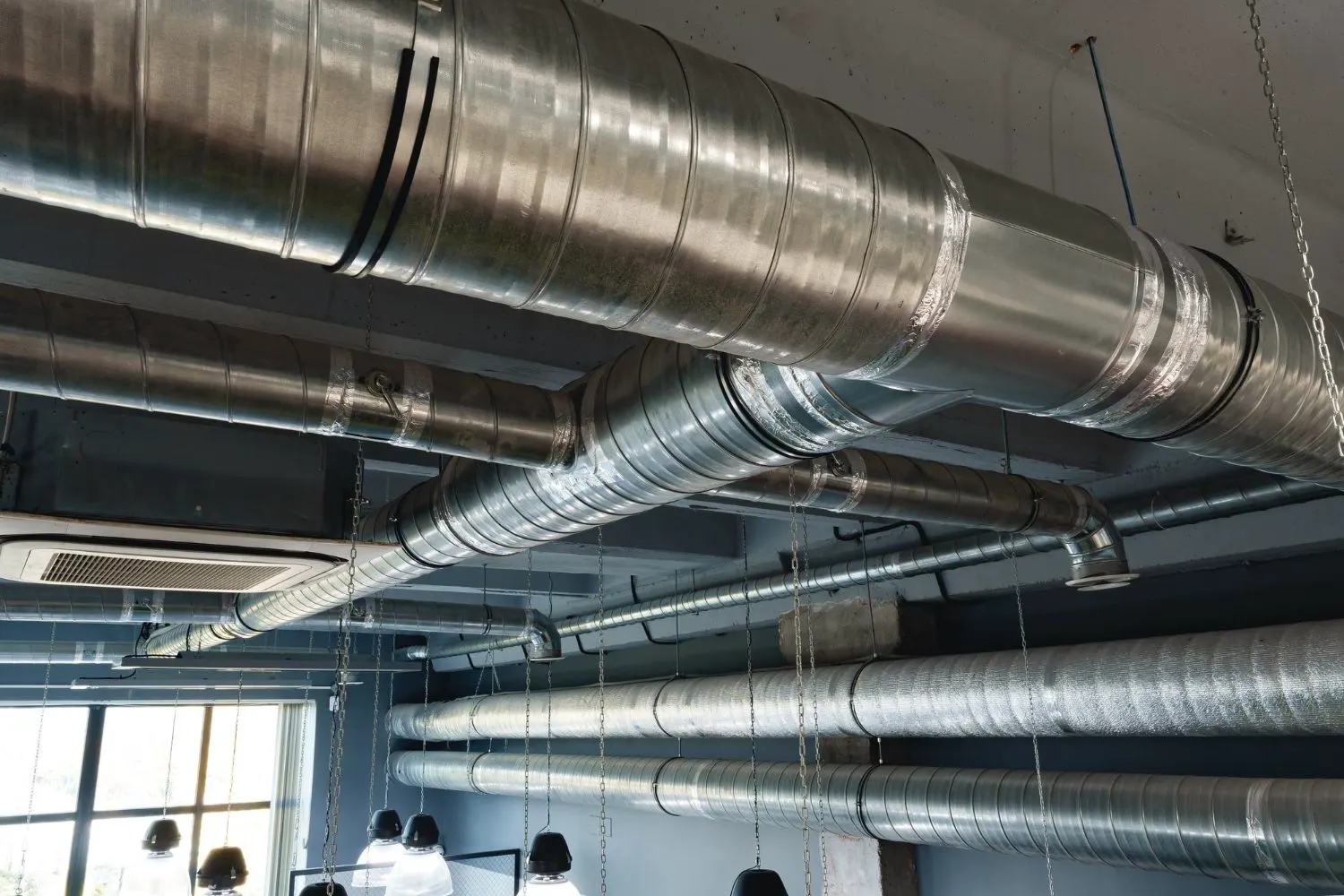
Leaky Ducts in a Florida Attic Cost More Than You Think
Your AC can be working perfectly and still lose a large share of its cooling before the air reaches a room. In South Florida attics, duct leaks are expensive.
What Florida Studies Found
ENERGY STAR estimates that in a typical house about 20 to 30 percent of the air moving through ducts is lost to leaks, holes and poorly connected ducts.
Florida-specific research is starker. Florida Solar Energy Center researchers found that a return leak pulling in 15 percent of its air from a hot attic can cut cooling capacity and efficiency by about half. In a study of 91 Florida homes, return leaks averaged 10 percent of air handler flow, and air conditioning energy use fell 18 percent in the monitored homes after duct repair.
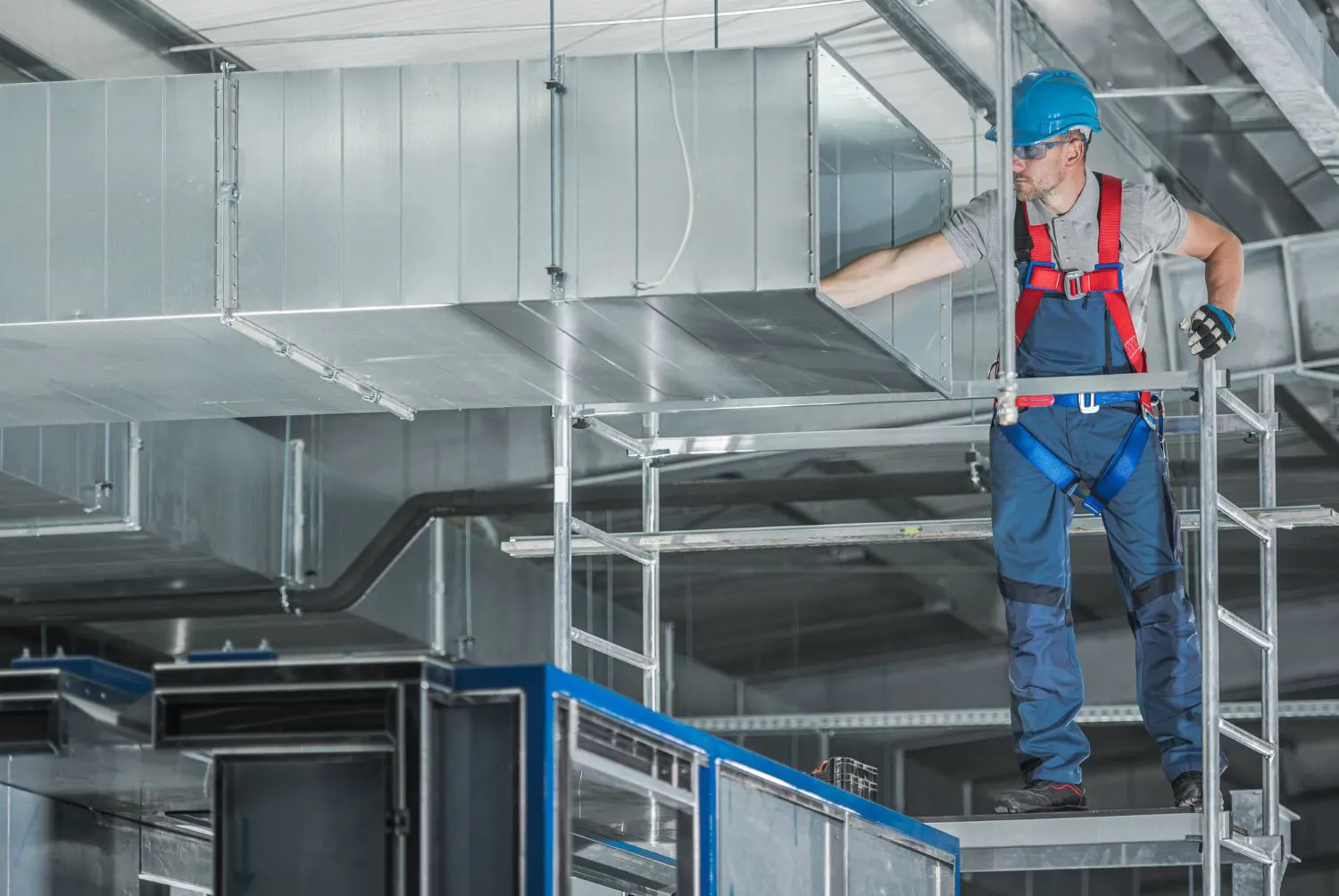
Signs Your Ducts Need Attention
These are the indicators ENERGY STAR lists, plus what we see most in local attics.
- High summer billsEspecially when the AC itself checks out fine.
- Rooms that never coolOr stuffy rooms far from the air handler.
- Ducts in the atticCommon across our area, and the worst place for a leak in our climate.
- Kinked or crushed flex ductTangled runs choke airflow to the rooms they serve.
- Dust and musty smellsReturn leaks pull attic air and debris into the system.
What You Can Check Without Going in the Attic
Florida attics get dangerously hot in summer, so keep your own checks to the living space and leave the attic to us.
Safe to do yourself
- Keep registers open and clearDo not let furniture or drapes block supply or return registers (DOE).
- Do not close vents to "save" energyLawrence Berkeley National Laboratory found closing registers increased energy use through more duct leakage.
- Feel for weak roomsNote which rooms get weak airflow; that map helps us find the leak or crushed run fast.
- Watch for dust linesDark streaks around ceiling registers can point to air leaking around the boot.
Stop and call a pro
- Sealing in the atticDone with mastic or metal tape; ENERGY STAR says never use duct tape.
- Disconnected or crushed runsReconnecting and supporting flex duct properly is a professional job.
What Florida Code Says About Ducts
2023 Florida Building Code, Energy Conservation.
| Requirement | Detail |
|---|---|
| Attic duct insulation | R-8 for ducts 3 inches and larger (R403.3.1) |
| Sealing and testing | New duct systems sealed and tested under ANSI/RESNET/ICC 380 (R403.3.2) |
| New ducts in a remodel or change-out | Must meet the same sealing and testing rules (R503.1.2) |
| Reused ducts on a replacement | May stay without being brought to current code (R501.7), which is why we inspect them |
Repair, Seal or Replace
- Inspect the attic runs, connections, boots and the return plenum
- Seal with mastic or metal tape; ENERGY STAR says never use duct tape
- Replace crushed or disconnected flex runs and add insulation where missing
- Replace the duct system when it is failing throughout, sealed and tested to code
Where We Handle Ductwork
Duct repair and replacement across our area. Tap a pin for the city.
The interactive map is not loading right now. The areas it covers:
Questions About Ductwork
Do you offer duct cleaning?
We focus on duct repair, sealing and replacement. Ask us about cleaning when you call and we will tell you what we can do for your system.
Will new ducts be tested?
Yes. New duct systems in a remodel or replacement must be sealed and tested under the Florida energy code, and we handle that.
Hot Rooms or High Bills?
We will inspect the ducts before recommending any equipment.
Related Services
Mini Splits and Ductless
Ductless cooling for additions, garages and rooms the central system never reaches.
Learn moreAC Replacement
An honest repair-or-replace answer, then a clean change-out when replacement wins.
Learn moreIndoor Air Quality
Filtration, UV light and humidity control for cleaner, drier air at home.
Learn moreSources · page reviewed 2026-10-06
- ENERGY STAR, Duct sealing, read 2026-10-06
- Cummings and Withers, FSEC, return leaks from hot attics (ASHRAE Journal, 2008), read 2026-10-06
- Cummings et al., FSEC, duct leakage in 91 Florida homes, read 2026-10-06
- 2023 Florida Building Code, Energy Conservation, Chapter 4 (R403.3), read 2026-10-06
- 2023 Florida Building Code, Energy Conservation, Chapter 5 (existing buildings), read 2026-10-06
- Lawrence Berkeley National Laboratory, Register closing effects (Walker, 2003), read 2026-10-06
- U.S. DOE, Energy Saver Guide (2022), read 2026-10-06